PVA USE FOR PVC
The compatibility of polyvinyl alcohol (PVA) with polyvinyl chloride (PVC) mainly relies on the water solubility, film-forming properties and adhesiveness of PVA. In the PVC industry chain, PVA is mainly used as a dispersant and stabilizer in the polymerization stage. It also has important extended applications in the processing, modification and recycling of PVC manufacture. It is an indispensable key additive in the PVC suspension polymerization process.
Primary Suspending Agent
PVC suspension polymerization involves dispersing oil-phase PVC (VCM) in an aqueous phase, followed by polymerization under the action of an initiator to form solid PVC particles. PVA, as the primary suspending agent, performs three core functions:
- Droplet emulsification and dispersion
- Particle stabilization and anti-agglomeration
- Controlling Resin Particle Morphology
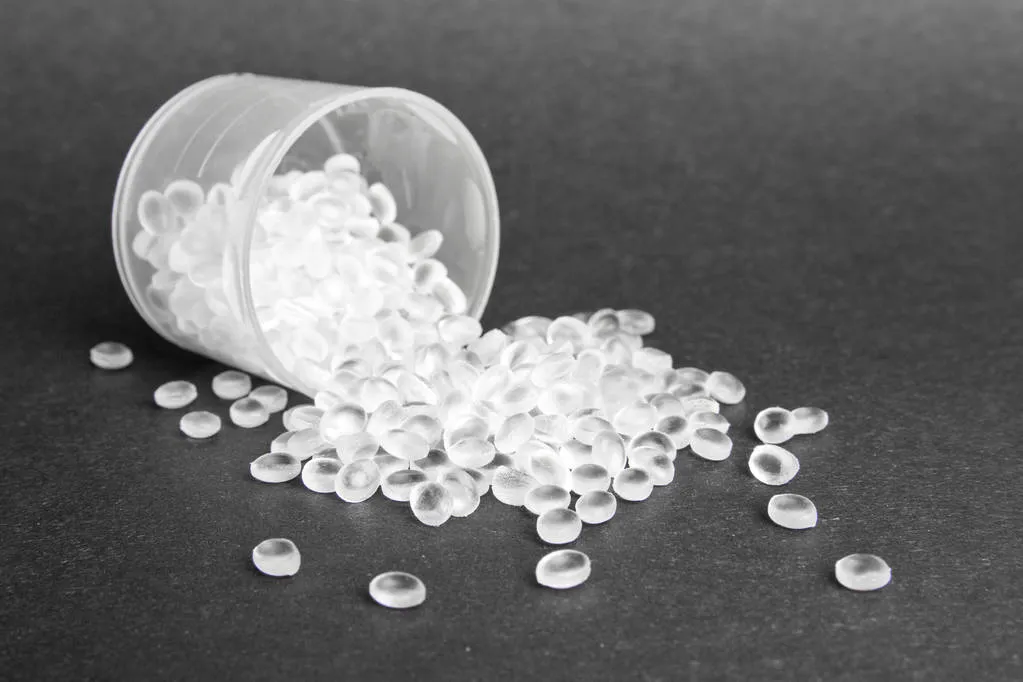
The type of PVA directly determines the porosity, apparent density and particle size distribution of PVC resin.
High-degree-of-polymerization PVA forms a protective film with high strength, low particle porosity, and high apparent density, suitable for producing rigid PVC products, such as pipes and profiles
Medium- and low-degree-of-polymerization PVA forms a film with good toughness, high particle porosity, and easy absorption of plasticizers, suitable for flexible PVC products, such as films and artificial leather.
Secondary Suspending Agent
PVA use for PVC is synergistic enhancement when it is used as secondary suspending agent. specifically in three aspects:
- Strengthening interfacial stability and preventing particle agglomeration.
- PVA molecular chains have good flexibility and can adsorb onto the surface of PVC particle.
- Improving the anti-interference ability of polymerization systems through adsorption, improve the stability of the polymerization process, and reduce batch quality differences caused by raw material fluctuations.