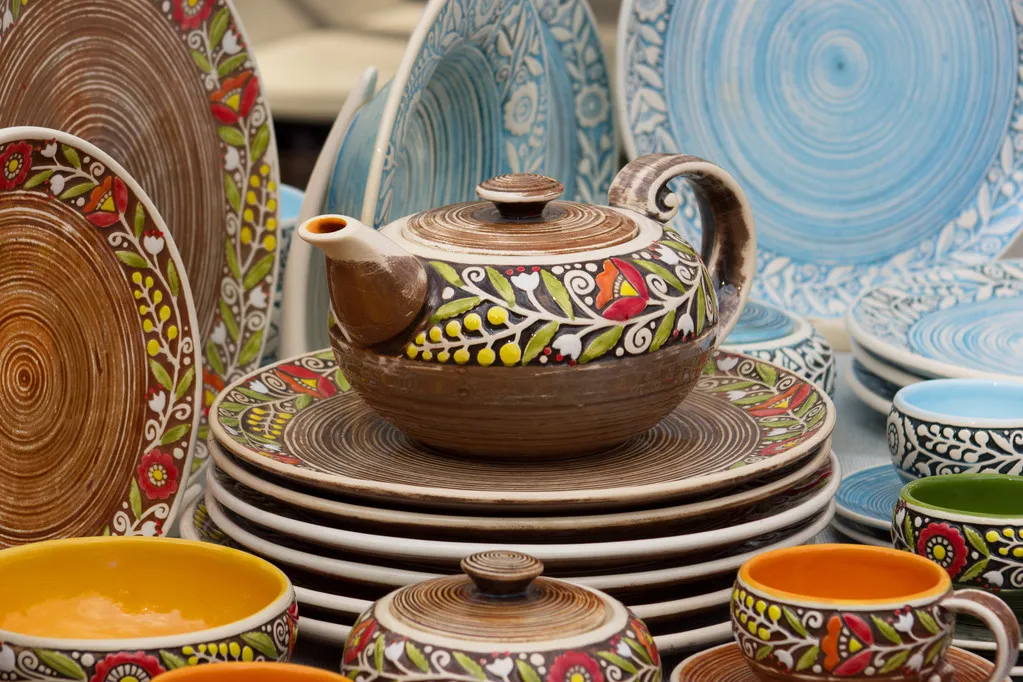
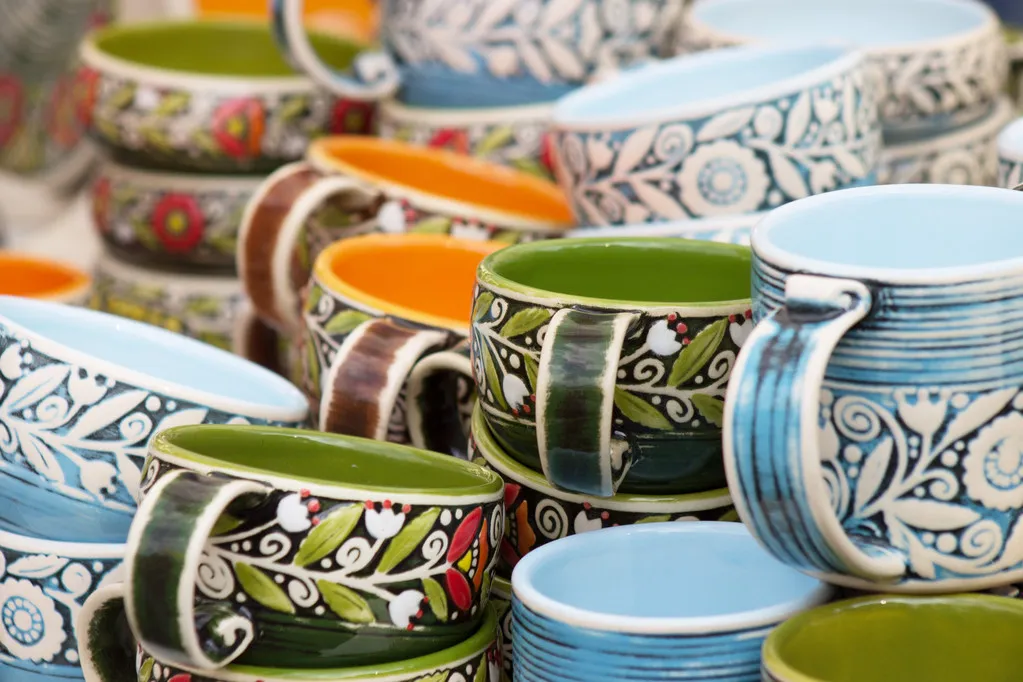
Ceramics

Polyvinyl alcohol (PVA) is a key molding aid and processing auxiliary material in the ceramic industry due to its excellent adhesion, film-forming properties, water solubility and thermal decomposition. It is mainly used for the bonding, plasticizing and molding of ceramic green bodies, as well as the dispersion and stabilization of ceramic slurries. It can significantly improve the strength of green bodies, molding accuracy and finished product qualification rate, and is suitable for the production of various types of ceramics such as daily-use ceramics, building ceramics and electronic ceramics.

1Ceramic Green Body Binder. Ceramic raw materials (such as kaolin, alumina, and zirconium oxide) themselves lack binding properties. PVA, as an organic binder, is crucial for ensuring the green body’s forming and drying strength.It is suitable for dry pressing (tiles, ceramic bearings), extrusion molding (ceramic tubes, ceramic rods), slip casting (daily ceramics, art ceramics) and other processes; adding PVA to dry pressing can improve the flowability and molding density of the powder, and in extrusion molding it can enhance the plasticity and extrusion smoothness of the green body.
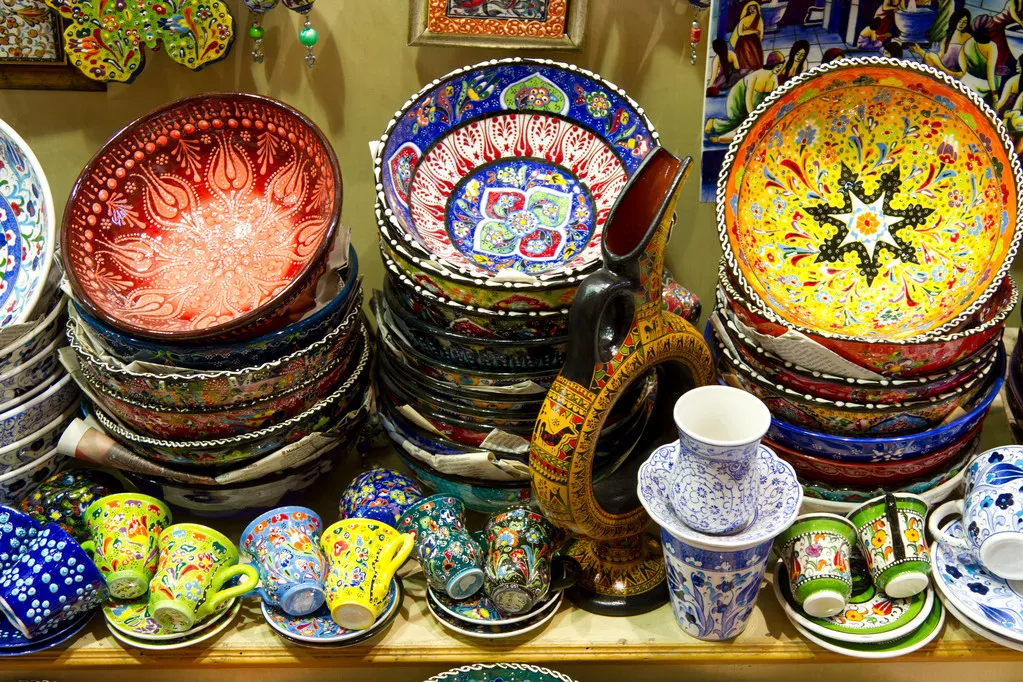
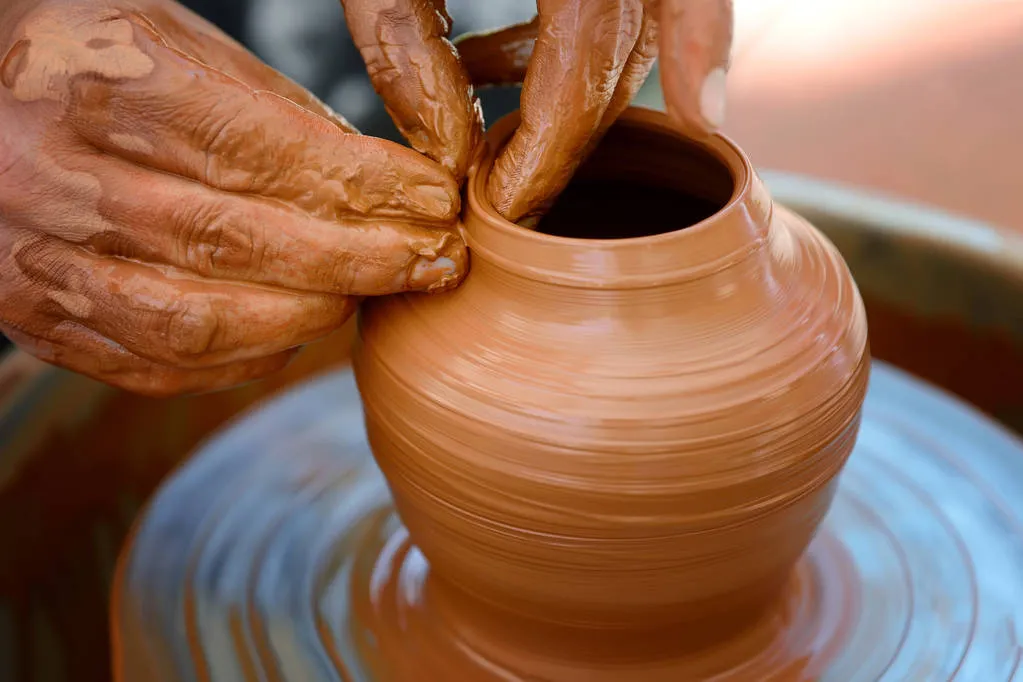
2Dispersants and Stabilizers for Ceramic Slurries. In the preparation of slurries for slip casting and tape casting (electronic ceramic substrates), PVA possesses both dispersibility and stability.

3Ceramic Plasticizers and Lubricants. In extrusion molding processes, PVA can act as a plasticizer, improving the plasticity and ductility of the preform, making it easier to extrude and resulting in a smooth, crack-free surface. Simultaneously, the lubricating effect of PVA molecular chains reduces friction between powder particles, minimizing equipment wear during extrusion and improving molding efficiency.

4Ceramic Surface Glazing Aids. Adding a small amount of PVA to ceramic glazes can improve their adhesion and suspension properties.