
pva knowledge
Is PVA liquid or solid?
Many buyers, formulators, and factory operators keep asking: Is PVA liquid or solid?
PVA (CAS 9002‑89‑5) is a versatile water‑soluble synthetic polymer widely used for adhesives, textile sizing, paper coatings, dry‑mix mortar, ceramic binders and water‑soluble films. Confusion arises because PVA can appear as both a dry raw material and a ready-to-use liquid solution. This article clarifies the native physical state of pure PVA resin, different commercial product formats, how solid PVA turns into a liquid solution, and common industry misunderstandings.
Core Answer: Pure PVA resin is a solid at room temperature
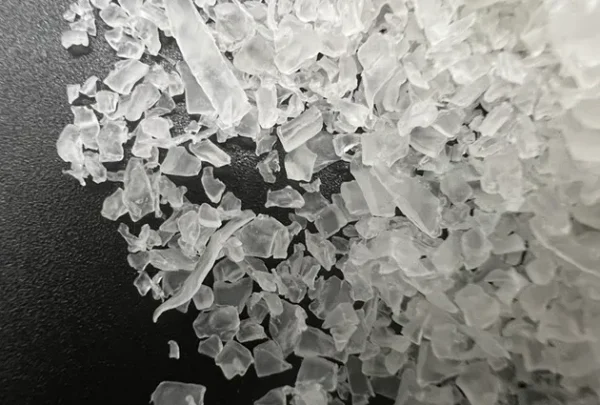
Raw, undissolved PVA polymer is a solid, not a liquid. Under standard room‑temperature conditions (20‑25 °C), pure PVA resin comes as white‑coloured flakes, granules, or fine powder. It is a thermoplastic solid polymer with a glass‑transition temperature around 60‑85 °C, and it does not flow naturally like a liquid without adding solvent (mostly water) or applying high heat above the softening point.
Liquid‑looking PVA products you may see on the market are aqueous solutions. These are solid PVA resin dissolved in water; water is the solvent, and PVA polymer remains the dissolved solid‑solute component. The polymer itself does not become a liquid at the molecular level without solvent input.
Three Main Commercial Physical Forms of PVA
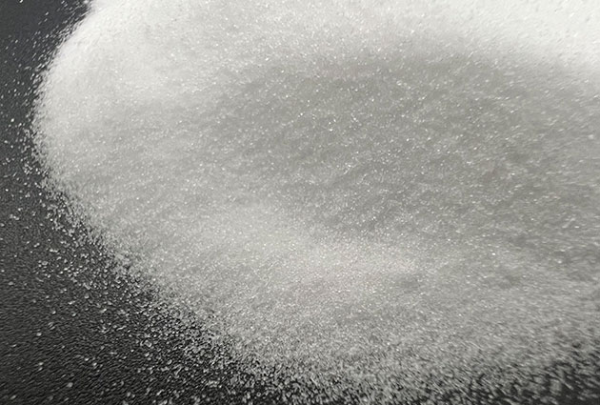
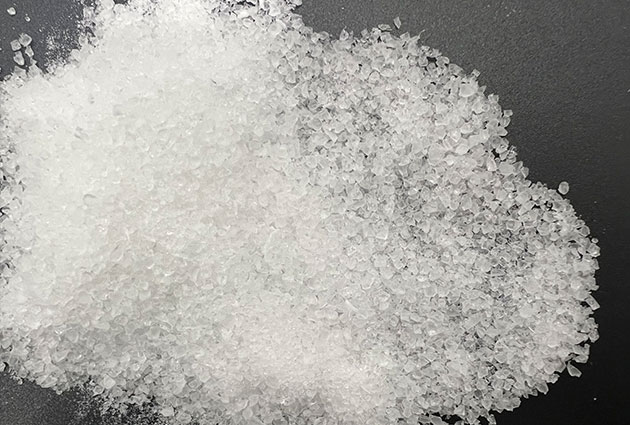
Solid PVA raw resin: flakes, granules, powder
- PVA Flake: Low dust, anti‑caking, good storage stability, widely used in large chemical plants.
- PVA Granule: Low‑dust, suitable for automatic feeding systems in continuous‑production workshops.
- PVA powder : Fast‑dissolving; mostly used for dry‑mix mortar and putty formulations where powder blending is required.
Liquid PVA
Solid PVA film and fiber
How solid PVA resin becomes liquid PVA solution
Solid PVA cannot melt into a free‑flowing liquid by heating alone. Above 200 °C, PVA decomposes instead of melting into a liquid. To get a liquid‑looking PVA solution, you must add water as a solvent and follow the proper dissolution workflow:
1. Pre‑disperse solid PVA powder/granules in cold water under stirring to prevent lump‑formation.
2. Gradually heat the suspension to the required temperature (warm water for 88‑series; hot, near 90 °C, for 99‑series).
3. Continue stirring until the solid PVA fully dissolves, forming a homogeneous, viscous aqueous solution.
4. Cool down to obtain a usable liquid PVA solution.
If you remove water from this liquid solution by evaporation or drying, PVA reverts to its solid state. This reversible water-dissolving/drying behaviour is a key characteristic of PVA.
Common Misconceptions About PVA Liquid‑Solid State
Misconception 1: “Liquid PVA means PVA polymer itself is liquid”
False. Liquid commercial PVA product is a water‑based solution. PVA polymer is still a solid solute dissolved in a water solvent. Remove water, and you get solid PVA again.
Misconception 2: “Heat solid PVA, and it will melt into pure polymer liquid”
False. PVA decomposes before it reaches a fully molten state. You cannot get solvent‑free liquid‑phase PVA polymer by heating solid PVA resin.
Misconception 3: “PVA glue (white glue) equals liquid PVA”
False. Most commercial white wood glue is PVAc (polyvinyl acetate emulsion). PVAc is a different polymer from PVA. Do not mix up PVA aqueous solution with PVAc emulsion glue.
Misconception 4: “PVA film is liquid because it dissolves in water”
False. PVA film is a solid polymer product. When it comes into contact with water, solid PVA dissolves into a water-based solvent and forms a liquid‑looking solution; the film itself starts as solid material.
Practical Tips For Buyers & Formulators
- Choose solid PVA resin for bulk‑purchase: Flake/granule/powder solid PVA has much lower transportation cost than liquid aqueous solution. Factories with dissolving equipment prefer dry solid raw material.
- Choose pre‑made liquid PVA solution: Select liquid aqueous‑solution format for small‑batch production to skip dissolution tank operations. Pay attention to anti‑freezing storage requirements for liquid goods.
- Do not confuse PVA solution with PVAc emulsion glue. Always check the full chemical name and CAS 9002‑89‑5 on supplier datasheets.
- Solid PVA storage: Keep dry solid PVA sealed in a cool, dry warehouse; avoid moisture absorption, otherwise powder/granules will cake.
- Liquid PVA storage: Prevent freezing; store above freezing temperature, because low‑temperature freezing will cause PVA polymer precipitation and irreversible quality loss.
FAQ
Q1: Is PVA liquid or solid?
Q2: What does solid PVA look like?
Q3: Can solid PVA melt into liquid by heating without water?
Q4: What is liquid PVA solution?
Q5: Are laundry‑pod films liquid PVA?
Conclusion
To answer the core question: Is PVA liquid or solid? Pure PVA polymer raw material is a solid (flake, granule, powder) under normal room‑temperature conditions. Any “liquid PVA” you buy on the market is an aqueous solution: solid PVA resin dissolved in water. Heating dry solid PVA alone will decompose instead of melting into a solvent‑free liquid polymer. After the water evaporates, dissolved PVA reverts to a solid state, such as a film or coating layer.
For procurement and formulation work, understanding the difference between solid PVA resin and liquid PVA aqueous solution helps you select the right product format, control logistics costs, avoid storage mistakes, and prevent mix-ups with similar-sounding polymers like PVAc emulsion glue.