
pva knowledge
PVA Storage and Handling Guide
Polyvinyl Alcohol (PVA) is widely used in textiles, adhesives, construction materials, paper production, and emulsion polymerization. Proper storage and handling are essential to maintaining consistent product quality and performance.
Improper storage conditions may result in moisture absorption, caking, packaging damage, and processing difficulties.
This guide explains recommended storage conditions, transportation precautions, and best practices for maintaining PVA quality.
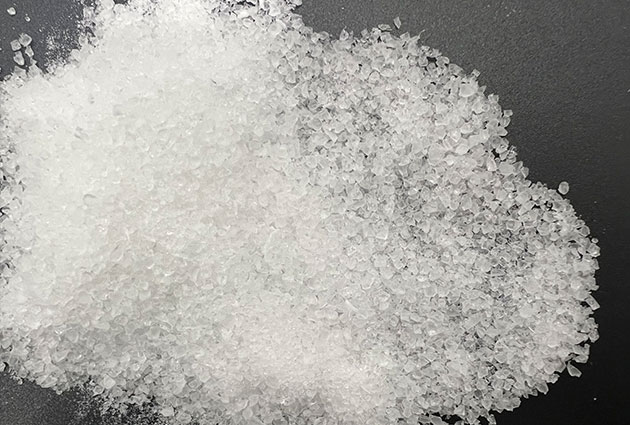
Why Is Proper PVA Storage Important?
PVA has a certain degree of moisture sensitivity. When exposed to humid conditions, it may experience:
- Moisture absorption
- Caking or lump formation
- Reduced flowability
- Changes in dissolution behavior
- Performance fluctuations during production
Proper storage helps ensure stable product performance.
Recommended Storage Conditions
For optimal quality, PVA should be stored under suitable environmental conditions.
Storage Environment
- Keep in a dry and well-ventilated warehouse
- Avoid direct sunlight
- Keep away from heat sources
- Store separately from strong oxidizing agents
Temperature
Recommended storage temperature:
5°C–35°C
Avoid prolonged exposure to excessive heat.
Relative Humidity
Recommended humidity:
Below 65% RH
High humidity may cause moisture absorption and caking.
How to Prevent Moisture Absorption
Moisture absorption is one of the most common storage challenges.
Keep Packaging Sealed
After opening, reseal the package immediately.
Avoid exposure to humid air.
Use Pallets
Store products on wooden or plastic pallets.
Avoid direct contact with the warehouse floor.
Minimize Exposure Time
Use opened materials as soon as possible.
Reseal unused portions properly.
What Is the Shelf Life of PVA?
Under proper storage conditions, most PVA products have a shelf life of approximately:
24 months
Actual shelf life may vary depending on the product grade and supplier specifications.
Even after the recommended shelf life, products may still be usable if quality tests confirm compliance with specifications.
Transportation Precautions
Proper transportation is equally important for maintaining product quality.
Protect Against Moisture
Avoid:
- Rain exposure
- Water leakage
- High-humidity environments
Prevent Package Damage
Handle products carefully during loading and unloading.
Damaged packaging may lead to contamination and moisture absorption.
Inspect Containers Before Shipment
Before export shipment, check whether the container:
- Is free from water leakage
- Has a dry floor
- Is free from unusual odors
This is especially important for ocean freight shipments.
Common Storage Mistakes
Mistake 1: Outdoor Storage
Outdoor storage increases the risk of moisture absorption.
Mistake 2: Stacking Directly Against Walls
Wall moisture may affect product quality.
Maintain adequate spacing from walls.
Mistake 3: Leaving Bags Open
Open bags absorb moisture from the surrounding air.
Mistake 4: High-Temperature Storage
Long-term exposure to heat may affect product performance.
How to Identify Moisture-Damaged PVA
Common indicators include:
- Visible lumps or caking
- Changes in appearance
- Extended dissolution time
- Abnormal odor
If any abnormalities are detected, quality testing is recommended before use.
Conclusion
Proper storage and handling are essential for maintaining the quality and performance of PVA.
By controlling temperature, humidity, and packaging integrity, manufacturers can prevent moisture absorption and ensure smooth production processes.
If you need technical support regarding PVA storage, PVA transportation, or grade selection, feel free to contact us for professional assistance.