
pva knowledge
What is PVA
If you want to know ‘what is PVA’, you have come to the right place. PVA is an abbreviation for polyvinyl alcohol (also known as PVOH), which is a versatile synthetic water-soluble polymer widely used in industrial, commercial, food, and household applications worldwide.
PVA is everywhere, from soluble laundry boxes at home to support structures in 3D printing. But what exactly is it? How is it made? Is it safe for humans and the environment? This article provides a detailed introduction to everything you need to know about PVA, including its core properties, common types, key applications, safety features, and unique advantages.
Basic definition: What is PVA?
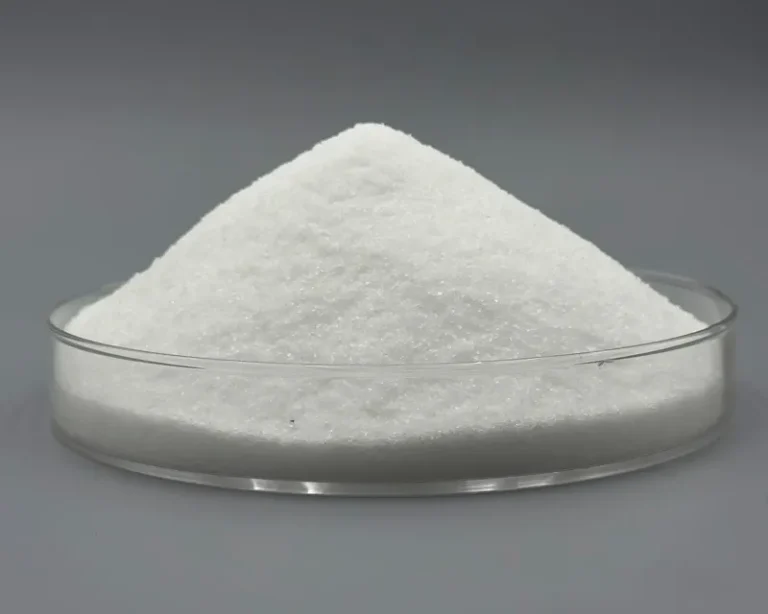
Polyvinyl alcohol (PVA) is a synthetic thermoplastic polymer produced through the polymerization and alcoholysis of vinyl acetate monomers. It usually appears as a white, odorless, stable powder, flakes, or flocculent solid. The molecular structure of PVA contains a large number of hydroxyl groups (-OH), is non-toxic, and is well compatible with water and various organic materials.
Chemically speaking, PVA is unique because it is not produced by directly polymerizing its monomers (unstable vinyl alcohol). On the contrary, it is manufactured through a controlled hydrolysis process that converts precursor polymers into the final water-soluble material. The degree of hydrolysis (usually between 87% and 99%) determines its solubility, crystallinity, and mechanical properties.
PVA was first synthesized in 1924 and has been commercialized for nearly a century. Nowadays, global annual production exceeds 100,000 tons, with applications ranging from textiles to biomedical applications.
Core Key Properties of PVA
The water solubility of PVA: Depending on the degree of hydrolysis, PVA is easily soluble in hot or cold water. The fully hydrolyzed grade requires hot water; Partially hydrolyzed grades dissolve at room temperature. PVA is insoluble in oil and organic solvents.
PVA biodegradability: PVA can naturally biodegrade in soil and water environments. This environmentally friendly feature makes it the preferred choice for sustainable packaging and disposable industrial materials.
Excellent film-forming ability: PVA solution forms a uniform, tough, transparent, and soft film upon drying. The formed PVA film has excellent moisture resistance, oxygen resistance, and tensile strength, which is why it is widely used in the production of surface coatings and packaging films.
Strong adhesion: PVA has excellent adhesion properties to paper, fabrics, wood, fibers, and inorganic materials. As an efficient adhesive and thickener, it has improved the structural strength and stability of finished products in multiple industries.
Non-toxic and chemically stable: Pure PVA is non-toxic, odorless, and non-irritating to the human body. It has stable chemical properties, is resistant to corrosion, oxidation, and deterioration under normal storage and use conditions, and has a shelf life of 12-24 months in a sealed, cool, and dry environment.
Common types of PVA
PVA products are mainly classified by degree of polymerization and degree of alcoholysis, which determine their viscosity, solubility, and applicability. The most widely used types in the market include:
Fully hydrolyzed PVA: With high viscosity, strong film-forming ability, and water resistance, it is mainly used in textile pulp, paper coatings, building adhesives, and industrial adhesives.
Partially hydrolyzed PVA: With better water solubility and lower viscosity, it is an ideal choice for daily adhesives, emulsifiers, thickeners, and food-grade coating agents.
PVA of different specifications can be customized to meet the precise needs of the food processing, textile manufacturing, construction, and environmental packaging industries.
Application of PVA
PVA is used in the textile and paper industry


PVA used for adhesives
PVA used for building materials
PVA is used for detergents
Packaging and Food Contact Materials
Pharmaceutical and Medical Applications
Tablet coating for controlled release and enteric-coated formulations.
Drug delivery system – hydrogels that release drugs over time.
Ophthalmic solution – used as a lubricant in artificial tears.
Wound dressing: PVA hydrogel provides a moist environment to promote healing in burn care.
Printing Auxiliary Materials
Is PVA safe for humans?
Yes. Polyvinyl alcohol has a long history of safe use in consumer goods, pharmaceuticals, and food packaging
Extremely low acute toxicity-Oral LD₅₀ in rats has a toxicity greater than 20 g/kg and belongs to the “almost non-toxic” category.
Authoritative certifications from the Food and Agriculture Organization and global food safety agencies confirm that food-grade PVA is non-toxic, non-carcinogenic, and harmless to human metabolism. It will not cause skin irritation or respiratory damage during normal use. For industrial-grade PVA, although it is not edible, it does not produce harmful volatile substances and will not pollute air, water, or soil after degradation.
Compared with traditional plastic materials such as PE and PVC, which are difficult to degrade, PVA is a green polymer that conforms to the global trend of environmental protection and low-carbon development.
Environmental impact and biodegradability
The environmental characteristics of polyvinyl alcohol are a topic of active research and debate. Here are the facts:
Water solubility means that PVA films do not cause microplastic pollution like insoluble plastics – they dissolve rather than shatter.
Biodegradation occurs in both aerobic and anaerobic environments, and specific microorganisms such as Pseudomonas can metabolize PVA. According to reports, PVA degrades 60-80% within 28 days in standard wastewater treatment plants (activated sludge), depending on the grade.
However, in cold water or soil, the degradation rate may be slower, and some studies have shown that highly hydrolyzed grades are more resistant to biodegradation.
Regulatory agencies such as the US Environmental Protection Agency and the European Chemicals Agency have not classified PVA as a persistent organic pollutant. However, efforts are still underway to develop PVA variants that degrade more readily and to improve the recycling system for water-soluble films.
How to choose the appropriate PVA grade
Not all PVA is the same. When choosing PVA for your project, please consider:
Hydrolysis degree: complete hydrolysis (98-99%) can provide higher strength and thermal stability, but requires hot-water dissolution; partially hydrolyzed (87-89%) dissolves in cold water, making it softer.
Molecular weight-The higher the molecular weight, the greater the film strength and viscosity, while the lower the molecular weight, the faster the dissolution rate.
Particle size-powder or particle form can affect processing and dissolution rates.
For most consumer applications (detergent boxes, 3D printing), partially hydrolyzed low- to medium-molecular-weight grades are preferred.
FAQ
Q1: Is PVA the same as plastic?
PVA is a thermoplastic polymer, but it is completely different from ordinary plastics. Traditional plastics are insoluble and non-degradable, whereas PVA is water-soluble and biodegradable, making it a green plastic.
Q2: Does PVA dissolve in cold water?
PVA is slightly soluble in cold water and completely soluble in hot water above 95 ° C. The dissolution rate can be adjusted based on the degree of hydrolysis and particle size.
Q3: Can PVA be recycled?
Due to PVA’s water solubility, its mechanical recovery is challenging. However, water-soluble films can be recycled, redissolved and composted in industrial facilities. Many cities do not yet have specific collection procedures, so please refer to the local guidelines.
Q4: Are PVA and PVOH the same?
Yes, PVOH and PVAl are alternative abbreviations for the same polymer – polyvinyl alcohol. They can be used interchangeably in the industry to avoid confusion with other abbreviations for ‘PVA’.
Conclusion
In summary, PVA (polyvinyl alcohol) is a high-performance, non-toxic, and biodegradable synthetic polymer with excellent adhesion, film-forming properties, and water solubility. From daily PVA glue and laundry boxes to industrial textile sizing, food coating, and eco-friendly packaging, PVA plays an irreplaceable role in multiple industries. With the growing global emphasis on environmental protection and sustainable development, PVA, as a green, environmentally friendly material, will have broader application prospects in the future.
If you are looking for suitable PVA products, please contact us!