pva knowledge
selection of PVA Grades for Activated Carbon Applications
In the production and manufacturing of activated carbon, PVA (polyvinyl alcohol) is widely used as a binder and molding auxiliary. However, there are many types of PVA products, and different grades differ significantly in parameters such as polymerization degree, hydrolysis degree and molecular weight, which directly affect the molding quality, mechanical strength and adsorption performance of activated carbon. How to select the appropriate PVA grade based on the production process and product requirements of activated carbon is an important technical decision faced by activated carbon manufacturers. This article provides a detailed analysis from the aspects of PVA grade naming rules, key parameters and selection principles.
PVA Grade Naming Rules and Key Parameters
Exceptional Properties from Molecular Structure
The naming of PVA grades typically adopts a coding method of “polymerization degree + hydrolysis degree”. Taking PVA 1799 as an example, the first two digits “17” indicate a polymerization degree of approximately 1700, and the last two digits “99” indicate a hydrolysis degree of 99%-100% (mol/mol). Similarly, PVA-124 indicates a polymerization degree of around 1200 with a hydrolysis degree of approximately 98%-99%, while PVA 1788 indicates a polymerization degree of 1700 with a hydrolysis degree of about 88%.
The polymerization degree (DP) is an important indicator measuring the length of the PVA molecular chain, directly determining the viscosity, film-forming ability and binding strength of the PVA solution. The higher the polymerization degree, the longer the molecular chain, the greater the solution viscosity and the higher the film strength, but correspondingly the greater the difficulty of dissolution. The hydrolysis degree (DH) reflects the ratio of hydroxyl groups to acetyl groups in the PVA molecular chain. The higher the hydrolysis degree, the more hydroxyl groups on the molecular chain, the better the water solubility (under certain temperature conditions), the higher the crystallinity, and the better the water resistance of the formed film.
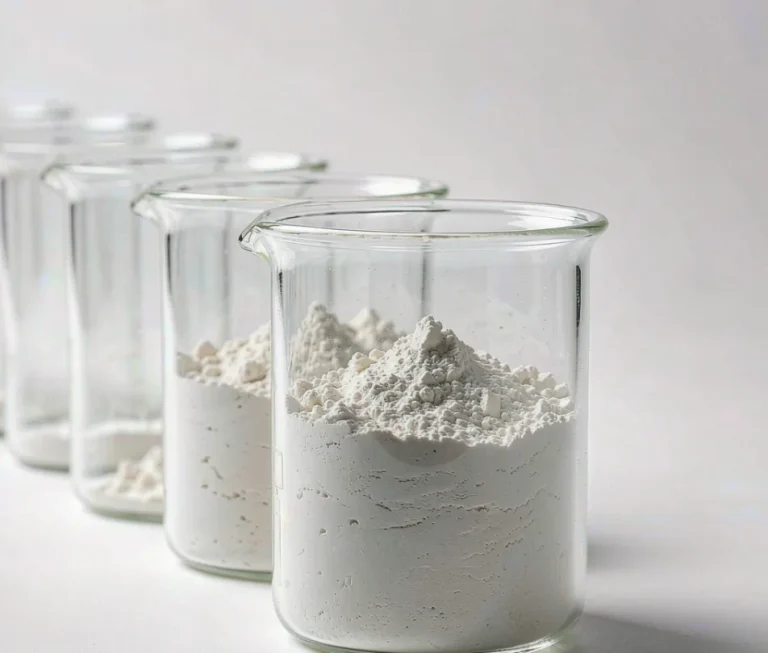
Comparison of Commonly Used PVA Grades in Activated Carbon Applications
PVA-1799 (High Polymerization, Fully Hydrolyzed)
PVA 1799 is one of the most widely used grades in activated carbon production. With a polymerization degree of about 1700 and a hydrolysis degree of 99%-100%, it exhibits very high binding strength and film-forming performance. The solution viscosity of PVA 1799 is relatively high (about 22-32 mPa·s for a 4% aqueous solution), making it suitable for activated carbon molding processes with high binding strength requirements. This grade performs excellently in the extrusion molding of columnar activated carbon, enabling the preparation of activated carbon products with high mechanical strength and wear resistance. It should be noted that the dissolution of PVA 1799 requires higher temperatures (90-95°C) and longer stirring times.
PVA-1798 (High Polymerization, Partially Hydrolyzed)
The polymerization degree of PVA 1798 is similar to that of PVA 1799, but the hydrolysis degree is reduced to about 98%, with a certain proportion of acetyl groups retained on the molecular chain. The reduced hydrolysis degree gives PVA 1798 better low-temperature water solubility (dissolvable at 80-85°C) and lower solution viscosity, making operation more convenient. In activated carbon production, PVA 1798 is suitable for scenarios with moderate binding strength requirements and a pursuit of production efficiency, especially for the molding of small granular activated carbon.
PVA-124 (Medium Polymerization, Fully Hydrolyzed)
The polymerization degree of PVA-124 is about 1200 with a hydrolysis degree of 98%-99%. Compared with PVA-1799, PVA-124 has a lower solution viscosity (about 15-20 mPa·s for a 4% aqueous solution) and relatively lower dissolution temperature requirements (85-90°C). In activated carbon applications, PVA-124 is suitable for preparing fine granular activated carbon or powdered activated carbon composite products. Its lower viscosity facilitates the uniform dispersion and coating process of activated carbon powder. The film formed by PVA-124 has good flexibility, making it suitable for preparing activated carbon composite membrane materials.
PVA-1788 (High Polymerization, Low Hydrolysis)
The hydrolysis degree of PVA-1788 is about 88%, with approximately 12% acetyl groups retained on the molecular chain. This grade features good cold-water solubility and low crystallinity, with excellent film transparency and flexibility after film formation. In special application scenarios of activated carbon, such as the preparation of activated carbon composite membranes, PVA-1788 is an ideal film-forming matrix material due to its excellent film-forming performance and moderate binding strength. However, it should be noted that the water resistance of the film formed by PVA-1788 is relatively poor; if improved water resistance is required, subsequent cross-linking treatment can be applied.
Key Principles for selection of PVA Grades for Activated Carbon Applications
Selection Based on Activated Carbon Product Type
Different types of activated carbon products have different performance requirements for PVA binders. Columnar activated carbon and granular activated carbon have high requirements for mechanical strength and wear resistance, so high-polymerization fully-hydrolyzed PVA (such as PVA 1799) should be prioritized to obtain sufficient binding strength. Powdered activated carbon composite products have relatively lower binding strength requirements and pay more attention to dispersibility and operability, so medium-polymerization grades such as PVA 124 can be selected. Activated carbon fibers and composite membrane materials have high film-forming requirements, making partially hydrolyzed PVA such as PVA 1788 more suitable.
Selection Based on Production Process Conditions
The dissolution equipment capacity and temperature control conditions of the production line directly affect the selection of PVA grades. If the factory is equipped with high-temperature dissolution equipment (capable of stably heating above 95°C), high-hydrolysis grades such as PVA 1799 can be selected. If the dissolution temperature is limited or energy saving is pursued, grades with lower dissolution temperature requirements such as PVA 124 or PVA 1788 are more appropriate. In addition, the kneading capacity of the mixing equipment is also a factor to consider — high-viscosity PVA 1799 requires powerful kneading equipment, while low-viscosity grades have lower equipment requirements.
Selection Based on Downstream Application Scenarios
The final application scenario of activated carbon also influences PVA selection. Food-grade and medical-grade activated carbon should use high-purity, fully hydrolyzed PVA grades to ensure the product contains no residual acetate groups. Water-treatment activated carbon needs to consider the water resistance of PVA; fully hydrolyzed PVA has better water resistance after film formation, making it more suitable for wet-use environments. Air-purification activated carbon composite membranes have high flexibility requirements, making partially hydrolyzed PVA more appropriate.
Common Misconceptions and Precautions in PVA Selection
In the actual selection process, several common misconceptions need to be avoided. First, blindly pursuing high polymerization degree. Some enterprises believe that higher polymerization degree yields better binding effect, but excessive polymerization degree leads to difficult dissolution, excessive solution viscosity and uneven mixing, which in turn reduces molding quality. Second, neglecting the influence of hydrolysis degree. The hydrolysis degree affects not only water solubility but also the water resistance and crystallinity of the formed film after film formation; it must be comprehensively considered during selection. Third, neglecting the stability of the PVA solution. PVA solution is prone to gelation when stored for a long time; it is recommended to prepare and use it freshly to avoid long-term storage.
In addition, when purchasing PVA, attention should be paid to the batch stability of the product. Different manufacturers and different batches of PVA may have slight differences in polymerization degree and hydrolysis degree, which can be amplified into product quality fluctuations in large-scale activated carbon production. It is recommended to establish a PVA incoming inspection system, testing the viscosity and hydrolysis degree of each batch of PVA to ensure stable raw material quality.
Conclusion
The selection of PVA grades in activated carbon applications is a technical decision process involving the balancing of multiple factors. Different grades such as PVA 1799, PVA 1798, PVA 124 and PVA 1788 each have their own characteristics in parameters such as polymerization degree, hydrolysis degree and solution viscosity, and are respectively suitable for different activated carbon product types and process conditions.
During selection, comprehensive consideration should be given to the activated carbon product specifications, production process conditions and downstream application requirements to select the most suitable PVA grade. It is recommended that enterprises conduct small-scale tests to verify before determining the PVA grade, evaluating the impact of different PVA grades on activated carbon product quality through actual molding tests, and making the optimal selection decision based on data.