
pva knowledge
What is PVA in manufacturing
If you work in manufacturing, formulation, procurement, or process engineering, you may frequently encounter the abbreviation PVA. So what is PVA in manufacturing? PVA (Polyvinyl Alcohol, also known as PVOH) is a versatile synthetic water‑soluble polymer widely used across dozens of industrial sectors as a binder, film‑former, thickener, protective colloid, and sizing agent.
Unlike many non‑soluble engineering plastics, PVA delivers unique performance: strong adhesion, oil‑barrier properties, good film‑forming ability, conditional biodegradability, and non‑toxicity for qualified grades. This article explains PVA manufacturing‑relevant basics, core industrial applications, key grade‑selection parameters, common production pitfalls, and practical tips for factory‑level users.
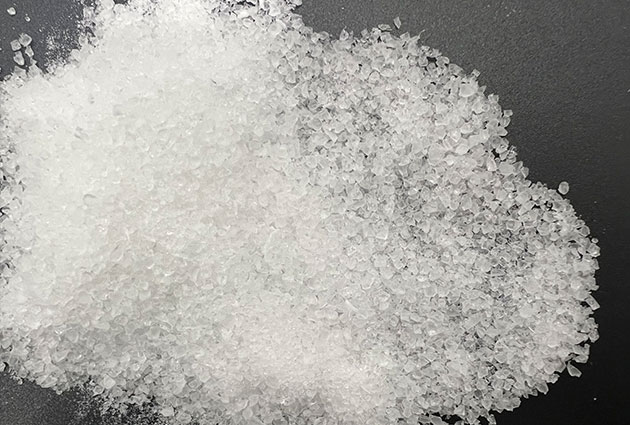
What is PVA in manufacturing?
PVA cannot be produced by directly polymerizing vinyl alcohol monomer, since vinyl alcohol is chemically unstable. Industrial‑grade PVA is manufactured via two‑step chemical synthesis: first, polymerize vinyl acetate monomer into polyvinyl acetate (PVAc), then perform alcoholysis (hydrolysis) to replace acetate groups with hydroxyl (‑OH) groups to obtain final PVA resin powder or granules.
Two core parameters define manufacturing‑grade PVA performance:
- Degree of hydrolysis: Two major categories: partially‑hydrolyzed (87‑89 %) for easier cold‑water dissolution; fully‑hydrolyzed (98‑99 %) for higher film strength, better oil‑resistance, requiring hot‑water dissolution.
- Viscosity / molecular weight: Measured from 4 % aqueous solution. Low‑viscosity for thin coatings; medium‑viscosity (1788, 2088 series) is the most‑common workhorse grade for general manufacturing; high‑viscosity for high‑strength binders and thickening purposes.
Important note: Industrial‑manufacturing PVA is different from food‑grade or cosmetic‑grade PVA. Industrial grades contain higher allowed residual impurities and must not be used for direct food‑contact applications without special certification.
Core Manufacturing Applications of PVA
PVA used for Textile manufacturing
One of PVA’s largest traditional manufacturing uses is textile warp sizing. A PVA solution coats yarn surfaces, forming tough, flexible films that improve tensile strength and abrasion resistance during high-speed weaving and reduce yarn breakage. After weaving, PVA washes away easily in hot water during desizing, making production efficient and clean. Partially hydrolyzed medium-viscosity PVA, such as PVA 1788 and PVA 2088, is an industry standard for textile mills.
PVA used for Paper manufacturing
PVA usd for paper, it as a paper‑surface sizing agent and coating binder. It boosts paper surface strength, folding resistance, printability, ink fixation, and oil‑grease barrier performance. For food‑packaging paper, appropriate PVA coating improves oil‑proof capability. It is widely used for high‑grade printing paper, release paper, and specialty packaging paper grades.
PVA used for Adhesive manufacturing
PVA is a key raw material for water‑based glues. It provides adhesion strength for paper-tube bonding, cardboard lamination, and general-purpose water-soluble adhesives. It is also used as a protective colloid during emulsion polymerization of acrylic and vinyl acetate latex, stabilizing particle systems in paint‑and‑adhesive production. Do not confuse PVA polymer with white wood glue, which is usually PVAc (polyvinyl acetate emulsion) instead of true PVA.
PVA used for Construction material manufacturing
In building‑material manufacturing, small‑dose PVA powder is added to interior wall putty, dry‑mix mortar, tile adhesive and gypsum‑based products. It improves water retention, bonding strength, flexibility, and anti‑cracking performance, and reduces peeling and powder‑off defects of plaster layers. Medium‑viscosity partially‑hydrolyzed PVA dominates construction‑grade formulations.
PVA used for Ceramic manufacturing
PVA used for Water‑soluble film manufacturing
Common Manufacturing‑Process Challenges With PVA
Even with correct grade selection, factories often face practical production problems when handling PVA powder:
- Lumping / gel‑ball formation during dissolution: Caused by pouring dry PVA powder directly into hot water. Correct workflow: pre‑disperse / pre‑swell PVA in cold water first, then heat gradually under stirring to dissolve completely.
- Excessive foaming: PVA solution generates foam during high‑speed stirring. Foam may cause pin‑holes in films or coatings. Solutions: reduce stirring speed, use cold pre‑swelling, or add a small amount of compatible defoamer.
- Viscosity batch‑to‑batch deviation: Caused by inconsistent raw‑material viscosity/hydrolysis degree. Always check the supplier COA (certificate of analysis) for hydrolysis degree and 4 % solution viscosity for every incoming batch.
- Fully‑hydrolyzed PVA fails to dissolve: Fully‑hydrolyzed PVA needs hot‑water conditions near 90‑95 °C; it cannot dissolve well under room‑temperature or lukewarm-water conditions.
- Confusing industrial‑grade with food‑/pharmaceutical‑grade: Industrial manufacturing‑PVA is not purified for food‑contact; do not repurpose it for edible‑material production.
FAQ
Q1: What is PVA used for in manufacturing?
In manufacturing, PVA acts as a binder, sizing agent, protective colloid, thickener, and film‑former. Major sectors include textiles, paper‑making, adhesive production, construction materials, ceramic processing, water‑soluble‑film production, and water‑borne coating manufacturing.
Q2: Is PVA plastic in manufacturing?
PVA is a synthetic polymer (plastic family), but it is water‑soluble, unlike common insoluble plastics such as PE, PP, and PVC. Many manufacturing workflows use its water solubility for easy post-processing or removal (such as textile desizing and ceramic binder burnout).
Q3: What is the difference between partially‑hydrolyzed and fully‑hydrolyzed PVA for manufacturing?
Partially‑hydrolyzed PVA (87‑89 %) dissolves more easily in warm water; widely used for textile sizing, construction additives, and general‑purpose adhesives. Fully‑hydrolyzed PVA (98‑99 %) delivers higher film strength and oil‑resistance, but must be dissolved in hot water, suitable for high‑performance coatings and barrier‑film manufacturing.
Q4: Can I mix industrial‑manufacturing‑grade PVA for food‑contact production?
No. Manufacturing‑industrial‑grade PVA has higher residual‑impurity limits. Food-contact scenarios require special food-grade PVA with dedicated purification and migration-test certification.
Q5: Why does PVA lump when dissolving in factory mixing tanks?
Dry PVA powder contacts hot‑water surfaces instantly; the outer layer gelatinizes and forms gel shells, preventing the inner powder from wetting. Always disperse powder into cold water first, then raise the temperature slowly under agitation to avoid lumping.
Conclusion
What is PVA in manufacturing?PVA (Polyvinyl Alcohol / PVOH) is a multi‑functional water‑soluble synthetic polymer widely used across modern manufacturing as a sizing agent, binder, protective colloid and film‑forming additive. Its performance is mainly governed by the degree of hydrolysis and solution viscosity. Partially‑hydrolyzed medium‑viscosity grades such as 1788 / 2088 are the most‑common workhorse materials for general‑purpose industrial production.
For manufacturing‑plant engineers and procurement teams, successful PVA application depends on correct grade matching, standardized cold‑pre‑swell dissolution procedures, and strict incoming‑quality control. Avoid mixing up industrial‑grade with food‑grade specifications, and watch for typical production risks such as lumping, foaming, and inconsistent viscosity. When properly specified and processed, PVA delivers cost‑effective improvements for textile, paper, adhesive, construction‑material, ceramic, and coating‑manufacturing workflows.