
pva knowledge
Application Of PVA In The Paper Industry
Polyvinyl Alcohol (PVA), a high-performance water-soluble polymer, has demonstrated exceptional application value across various industrial sectors due to its unique molecular structure and physicochemical properties. In the paper industry, PVA plays an indispensable role by enhancing paper quality and driving the sector toward greener, more functionalized production. It has become a critical additive in papermaking processes.
Molecular Characteristics of PVA and Its Compatibility with Papermaking
PVA is synthesized through the hydrolysis of polyvinyl acetate, resulting in a molecular chain rich in hydroxyl (-OH) groups. These groups endow PVA with three core characteristics that make it highly compatible with papermaking:
Strong Hydrogen Bonding Capacity
The hydroxyl groups form hydrogen bonds with cellulose molecules, significantly enhancing fiber-to-fiber bonding. During papermaking, PVA molecules penetrate fiber gaps, creating a three-dimensional network through hydrogen bonding. This substantially improves paper’s tensile strength, burst strength, and tear resistance, making it ideal for producing high-strength packaging papers and industrial-grade papers.
Excellent Film-Forming Ability
PVA forms a dense, transparent film on paper surfaces. When applied during sizing, PVA solution evenly coats the paper, creating a continuous film upon drying. This film effectively blocks water and ink penetration, enhancing paper’s water resistance, printability, and surface gloss. It meets the performance requirements of high-end cultural papers and food packaging papers.
Good Dispersibility and Stability
Polyvinyl alcohol dissolves in water to form a stable colloidal solution and exhibits strong compatibility with papermaking fillers (e.g., calcium carbonate, kaolin). It ensures uniform dispersion in pulp systems, preventing filler sedimentation, maintaining paper evenness, and improving filler retention rates, thereby reducing production costs.
Model Selection and Precise Matching with Papermaking Processes
The selection of PVA models directly impacts its application effectiveness in the paper industry. Different combinations of polymerization degree and saponification degree can meet diverse process requirements:
High-Strength Packaging and Industrial Papers
Recommended Model: PVA 1799 (DP≈1700, DS≥98%).
Advantages: Its high polymerization degree and complete saponification structure endow it with strong hydrogen bonding capacity, significantly enhancing fiber-to-fiber bonding strength. Adding 1%-3% PVA-1799 to corrugated medium production can increase ring crush strength by 15%-20%, meeting stringent packaging industry demands for carton compression resistance.
High-End Cultural and Food Packaging Papers
Recommended Model: PVA 2088 (DP≈2000, DS≈88%).
Advantages: Its partially saponified structure (DS≈88%) ensures excellent solubility in water while retaining some hydrophobicity. As a surface sizing agent, PVA-2088 forms a dense film on paper surfaces, effectively blocking water and ink penetration, improving print color vibrancy and clarity, and complying with food contact material safety standards.
Coated and Art Papers
Recommended Model: PVA 0588 (DP≈500, DS≈88%) in combination with PVA 1799.
Advantages: Low polymerization degree PVA-0588 exhibits excellent flowability and can be compounded with high polymerization degree PVA-1799 to adjust coating viscosity and prevent coating delamination. Its high transparency preserves paper’s natural color, making it suitable for producing high-end art papers and coated papers.
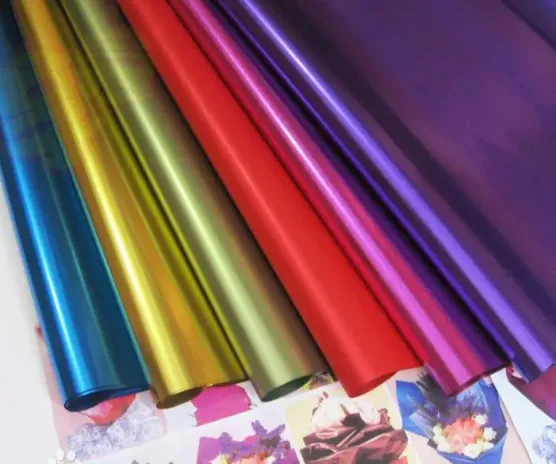
Specialty Paper Production
- Water-Soluble Papers: PVA-1799 is selected for its complete water solubility, ensuring the paper dissolves completely in water. It is used for pesticide packaging and temporary labels.
- Thermal Papers: PVA-1788 (DP≈1700, DS≈88%) acts as a film-forming agent, cooperating with color-developing agents to enable temperature-sensitive color changes for fax and receipt papers.
- Electromagnetic Shielding Papers: PVA-1799 is compounded with conductive materials to form a conductive film that effectively blocks electromagnetic waves, suitable for electronic packaging and antistatic materials.
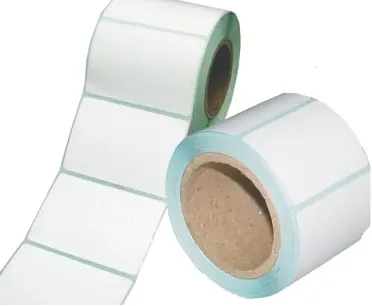
Core Application of PVA in the Paper Industry
Paper Strengthening Agent
Fiber bonding strength directly impacts paper’s physical properties. As a strengthening agent, polyvinyl alcohol forms a three-dimensional network with fibers via hydrogen bonding, significantly enhancing paper strength. For example, in specialty paper production (e.g., banknote paper, security paper), PVA reinforces fiber bonding, preventing delamination and improving durability.
Surface Sizing Agent
Surface sizing is critical for improving paper’s water resistance and printability. PVA sizing agents, applied via coating or immersion, form dense films on paper surfaces, offering advantages over traditional sizing agents (e.g., starch, AKD):
- Superior Water Resistance: PVA films provide long-term protection against moisture, making them ideal for food packaging and moisture-proof papers.
- Enhanced Printability: The smooth film surface reduces ink absorption, improving color vibrancy and print clarity.
- Environmental Friendliness: PVA is biodegradable, complying with food safety standards and avoiding pollution associated with conventional sizing agents.
Coating Binder
In coated paper production, polyvinyl alcohol acts as a binder, uniformly adhering pigments (e.g., clay, calcium carbonate) to paper surfaces to form smooth coatings. Key features include:
- High Bonding Strength: Ensures strong adhesion between pigments and paper, preventing coating detachment.
- Excellent Flowability: Creates a level surface, minimizing “orange peel” effects during printing.
- High Transparency: Preserves paper’s natural color, suitable for high-end art papers and coated papers.
Specialty Paper Production
PVA’s unique properties are pivotal in producing specialty papers (e.g., water-soluble papers, thermal papers, electromagnetic shielding papers):
- Water-Soluble Papers: Made from PVA as the base material, these papers dissolve in water and are used for pesticide packaging and temporary labels.
- Thermal Papers: PVA forms a film that reacts with color-developing agents to enable temperature-sensitive color changes, used in fax and receipt papers.
- Electromagnetic Shielding Papers: PVA combined with conductive materials creates a conductive film that effectively blocks electromagnetic waves, suitable for electronic packaging and antistatic materials.
PVA’s Role in Advancing Green Papermaking
As global environmental awareness rises, the paper industry faces strict energy-saving and emission-reduction targets. PVA supports green transformation by:
Reducing Energy Consumption
PVA strengthening agents decrease fiber usage, lowering papermaking energy demands. PVA sizing agents replace petroleum-based alternatives, reducing VOC emissions.
Improving Resource Efficiency
PVA’s compatibility with fillers enhances retention rates, reducing natural fiber consumption (e.g., wood) and promoting resource recycling.
Biodegradability
PVA is fully biodegradable, avoiding long-term pollution from conventional plastic sizing agents and aligning with sustainable development goals.
Conclusion
Polyvinyl Alcohol (PVA) leverages its unique molecular properties to enable diverse applications in the paper industry, from strengthening and surface sizing to specialty paper production. By precisely matching different models (e.g., PVA-1799, PVA-2088, PVA-0588) with process requirements, PVA significantly enhances paper’s physical performance and printability while driving environmental sustainability through its eco-friendly characteristics.
As the demand for high-performance, sustainable materials grows, PVA’s role in the paper industry will expand, solidifying its position as a cornerstone of sustainable papermaking innovation.